
Dash Cams for Safer, More Informed Fleet Operations
May 20, 2026
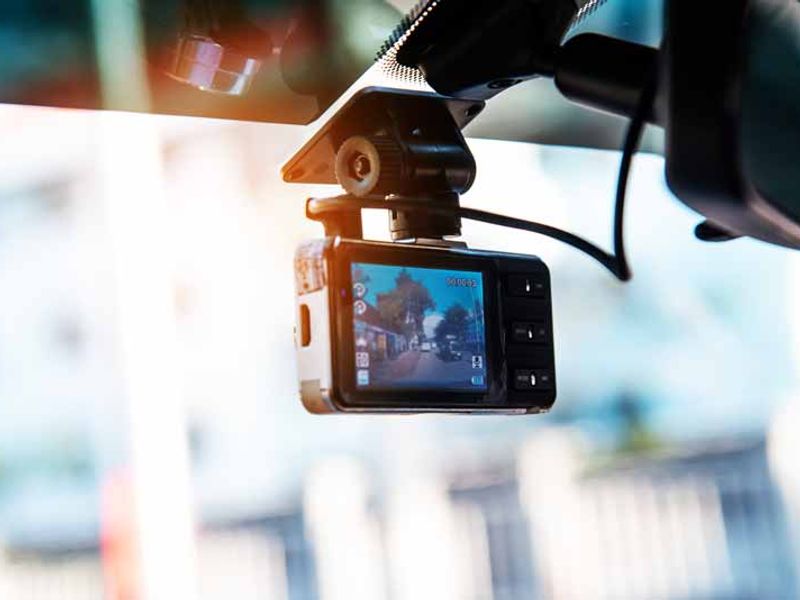
Managing a commercial fleet means making decisions with limited visibility. Drivers are on the road every day, responding to traffic, weather, tight schedules, and the actions of other drivers. When something happens, owners need more than a brief report or conflicting accounts. They need a clearer way to understand what took place.
That is one reason more transportation businesses are using dash cams. Video can help show what happened before, during, and after an incident. Telematics can add another layer by showing details such as speed, braking, routes, mileage, and vehicle activity.
At Patriot Growth Insurance Services (Patriot), we view dash cams and telematics as tools that can help transportation businesses better understand the risks across their fleet. They can help owners spot patterns, review real events with drivers, and make small changes before those issues turn into larger problems.
Dash Cams Make Safety Conversations More Specific
Fleet safety is part of the daily work. Drivers deal with traffic, weather, delivery schedules, road conditions, and the decisions other drivers make around them. Owners are also balancing downtime, driver performance, claims, and insurance costs.
Dash cam footage gives both sides something concrete to discuss. A manager can look at the actual event with the driver and talk through what happened. Sometimes the footage shows a habit that needs attention, or it shows the driver handled a tough situation well. Either way, the conversation is based on what happened, not guesswork.
Drivers Need to Know the Purpose
A dash cam program can quickly lose trust if drivers feel cameras are only there to catch mistakes. The rollout should make the purpose clear from the beginning.
Drivers should know which footage will be reviewed, who will review it, and when coaching will take place. They should also understand how video may help protect them if an accident is disputed.
Common coaching topics include:
- Following distance
- Distracted driving
- Speeding
- Harsh braking
- Lane changes
- Intersection behavior
- Near misses
The goal is simple: address problems while they are still coaching moments, not claims.
Where Telematics Comes In
Dash cam footage is useful after a specific event. Telematics is useful when an owner needs to spot a pattern.
For example, a report may show that one vehicle has frequent hard-braking events on the same route. That could be a driver issue. It could also be heavy traffic, a blind intersection, or an unrealistic delivery window.
Looking at the data alongside the video makes the review more useful. It helps the owner ask the right questions before deciding what needs to change.
When Claims Happen, Details Matter
Even careful drivers have accidents. When that happens, dash cam footage and telematics data can help clarify timing, location, speed, road conditions, and driver response.
That can help claims teams, carriers, and legal partners review the incident with fewer unanswered questions. It can also help when fault is disputed or when accounts of the accident differ.
For transportation businesses, clearer documentation matters. It gives the business, the driver, and the carrier a better place to start.
How This Supports Insurance Conversations
Installing cameras does not automatically change a fleet's insurance costs. Carriers still look at the basics: prior losses, driver experience, vehicle type, routes, maintenance, safety policies, and how the operation is run.
Dash cams and telematics can be useful during renewal discussions. They give an owner something specific to point to, such as coaching records, incident reviews, or data showing fewer repeat issues.
That matters because underwriters are looking for signs that the business is paying attention to risk before the next claim happens.
Before Installing Dash Cams or Telematics
Fleet owners should answer a few questions before rolling out new technology:
- What data will be collected?
- Who will review footage and reports?
- What events will lead to coaching?
- How will safe driving be recognized?
- How long will footage and data be stored?
- Will the same rules apply to everyone?
The answers do not need to be complicated. They just need to be clear before drivers are expected to buy into the program.
Bringing It Back to the Road
Dash cams and telematics will not fix every fleet safety issue. They can, however, give transportation owners a better way to review what is happening, address driver habits, and keep better records when claims occur.
The most useful programs are the ones drivers understand, and managers use consistently.
Patriot works with transportation businesses to review risk, strengthen insurance strategies, and connect safety practices to long-term business goals.
Reach out to contact@patriotgis.com to talk through your transportation insurance and risk management needs.
'%3e%3cpath%20d='M21.0003%200.411865C9.67681%200.411865%200.412109%209.67657%200.412109%2021.0001C0.412109%2031.1913%207.82387%2039.6324%2017.6033%2041.3824C17.6033%2041.3824%2017.6508%2041.3436%2017.7251%2041.2829C17.7188%2041.2818%2017.7125%2041.2807%2017.7062%2041.2795V26.7648H12.5592V21.0001H17.7062V16.4707C17.7062%2011.3236%2021.0003%208.44128%2025.7356%208.44128C27.1768%208.44128%2028.8239%208.64716%2030.265%208.85304V14.103H27.5886C25.118%2014.103%2024.5003%2015.3383%2024.5003%2016.9854V21.0001H29.9562L29.0298%2026.7648H24.5003V41.2795C24.4374%2041.2909%2024.374%2041.3007%2024.311%2041.3115L24.3974%2041.3824C34.1768%2039.6324%2041.5886%2031.1913%2041.5886%2021.0001C41.5886%209.67657%2032.3239%200.411865%2021.0003%200.411865Z'%20fill='%23440099'/%3e%3cpath%20d='M24.4998%2026.7647H29.0292L29.9557%2021H24.4998V16.9853C24.4998%2015.3382%2025.1174%2014.1029%2027.588%2014.1029H30.2645V8.85293C28.8233%208.64704%2027.1762%208.44116%2025.7351%208.44116C20.9998%208.44116%2017.7057%2011.3235%2017.7057%2016.4706V21H12.5586V26.7647H17.7057V41.2794C17.7119%2041.2805%2017.7182%2041.2817%2017.7245%2041.2828C18.8506%2041.4864%2019.9766%2041.5882%2021.1027%2041.5882C22.2288%2041.5882%2023.241%2041.495%2024.3105%2041.3114C24.3734%2041.3006%2024.4369%2041.2908%2024.4998%2041.2794V26.7647Z'%20fill='white'/%3e%3c/g%3e%3cdefs%3e%3cclipPath%20id='clip0_1004_2093'%3e%3crect%20width='42'%20height='42'%20fill='white'/%3e%3c/clipPath%3e%3c/defs%3e%3c/svg%3e)
'%3e%3cpath%20d='M21.5003%200.421631C9.85916%200.421631%200.421875%209.85891%200.421875%2021.5001C0.421875%2033.1412%209.85916%2042.5785%2021.5003%2042.5785C33.1415%2042.5785%2042.5787%2033.1412%2042.5787%2021.5001C42.5787%209.85891%2033.1415%200.421631%2021.5003%200.421631ZM26.2365%2033.4679L19.8509%2024.1747L11.8563%2033.4679H9.79007L18.9334%2022.8397L9.79007%209.53278H16.7641L22.8107%2018.3324L30.3814%209.53278H32.4476L23.7288%2019.668L33.2111%2033.4679H26.2371H26.2365Z'%20fill='%23440099'/%3e%3cpath%20d='M12.5996%2011.0879L27.2075%2031.9831H30.381L15.7737%2011.0879H12.5996Z'%20fill='%23440099'/%3e%3c/g%3e%3cdefs%3e%3cclipPath%20id='clip0_1004_2085'%3e%3crect%20width='43'%20height='43'%20fill='white'/%3e%3c/clipPath%3e%3c/defs%3e%3c/svg%3e)
'%3e%3cpath%20d='M21.0003%200.411865C9.62992%200.411865%200.412109%209.62967%200.412109%2021.0001C0.412109%2032.3705%209.62992%2041.5883%2021.0003%2041.5883C32.3708%2041.5883%2041.5886%2032.3705%2041.5886%2021.0001C41.5886%209.62967%2032.3708%200.411865%2021.0003%200.411865ZM14.1393%2033.5349H8.96309V16.8218H14.1393V33.5349ZM11.5263%2014.6332C9.83523%2014.6332%208.46497%2013.2521%208.46497%2011.549C8.46497%209.84585%209.83523%208.46472%2011.5263%208.46472C13.2174%208.46472%2014.5865%209.84585%2014.5865%2011.549C14.5865%2013.2521%2013.2174%2014.6332%2011.5263%2014.6332ZM33.5351%2033.5349H28.3841V24.7615C28.3841%2022.3561%2027.4702%2021.0115%2025.5664%2021.0115C23.495%2021.0115%2022.4129%2022.4104%2022.4129%2024.7615V33.5349H17.4489V16.8218H22.4129V19.0734C22.4129%2019.0734%2023.9056%2016.3117%2027.4525%2016.3117C30.9994%2016.3117%2033.5357%2018.4763%2033.5357%2022.9537V33.5355L33.5351%2033.5349Z'%20fill='%23440099'/%3e%3c/g%3e%3cdefs%3e%3cclipPath%20id='clip0_1004_2088'%3e%3crect%20width='42'%20height='42'%20fill='white'/%3e%3c/clipPath%3e%3c/defs%3e%3c/svg%3e)